 Pусский
 Deutsch
 العربية
 Tiếng Việt

What can we help you find today?

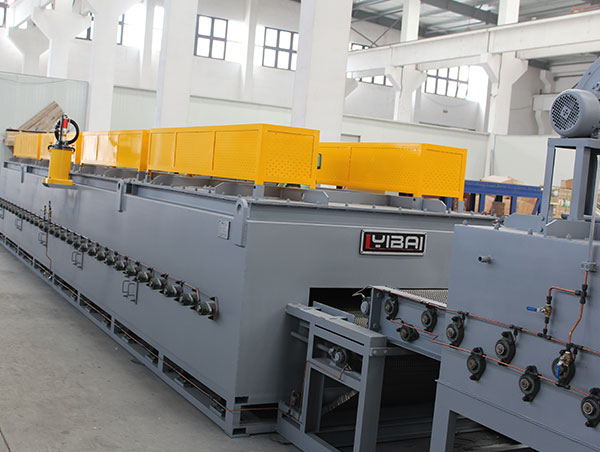
**Best Practices for Operating a Heat treatment Multi-purpose furnace**
Heat treatment is a critical process in manufacturing and metallurgy, used to alter the physical and mechanical properties of materials, particularly metals and alloys. A multi-purpose furnace is a versatile piece of equipment designed to perform various heat treatment processes, such as annealing, hardening, tempering, and stress relieving. To ensure optimal performance, safety, and longevity of the furnace, it is essential to follow best practices. Below is a comprehensive guide to operating a heat treatment multi-purpose furnace effectively.
---
1. **Understand the Furnace Design and Capabilities**
Before operating the furnace, familiarize yourself with its design, features, and limitations. Multi-purpose furnaces come in various configurations, including batch, continuous, and vacuum furnaces. Each type has specific applications and operating parameters. Key factors to consider include:
- **Temperature Range:** Ensure the furnace can achieve and maintain the required temperatures for your heat treatment process.
- **Atmosphere Control:** Some furnaces allow for controlled atmospheres (e.g., inert gas, hydrogen, or vacuum) to prevent oxidation or decarburization.
- **Heating elements:** Understand the type of heating elements (e.g., electric, gas, or induction) and their maintenance requirements.
- **Load Capacity:** Avoid overloading the furnace, as this can lead to uneven heating and reduced efficiency.
---
2. **Proper Loading and Unloading**
The way materials are loaded into the furnace significantly impacts the heat treatment process. Follow these guidelines:
- **Uniform Spacing:** Ensure parts are evenly spaced to allow for consistent heat distribution. Avoid overcrowding, which can lead to hot or cold spots.
- **Support Structures:** Use appropriate fixtures, trays, or racks to support the parts during heating and cooling.
- **Orientation:** Position parts in a way that minimizes distortion during the heat treatment process.
- **Safety Precautions:** Wear appropriate personal protective equipment (PPE) when loading or unloading materials, especially at high temperatures.
---
3. **Temperature Control and Monitoring**
Accurate temperature control is critical for achieving the desired material properties. Best practices include:
- **Calibration:** Regularly calibrate temperature sensors and controllers to ensure accuracy.
- **Zoning:** Use multi-zone temperature control for large furnaces to maintain uniform heating across the chamber.
- **Ramp Rates:** Follow recommended heating and cooling rates to avoid thermal shock or uneven treatment.
- **Monitoring:** Continuously monitor the temperature during the process and record data for quality control purposes.
---
4. **Atmosphere Management**
For processes requiring a controlled atmosphere, proper management is essential:
- **Gas Purity:** Use high-purity gases to prevent contamination.
- **Flow Rates:** Maintain appropriate gas flow rates to achieve the desired atmosphere.
- **Leak Detection:** Regularly check for leaks in the furnace chamber and gas delivery system.
- **Exhaust Systems:** Ensure proper ventilation to safely remove exhaust gases.
---
5. **Maintenance and Cleaning**
Regular maintenance is crucial for the furnace’s performance and longevity:
- **Inspection:** Periodically inspect heating elements, insulation, and other components for wear and tear.
- **Cleaning:** Remove any debris, scale, or residue from the furnace chamber to prevent contamination.
- **Lubrication:** Lubricate moving parts, such as doors and conveyor systems, to ensure smooth operation.
- **Replacement:** Replace worn-out or damaged parts promptly to avoid breakdowns.
---
6. **Safety Protocols**
Heat treatment furnaces operate at high temperatures and can pose significant safety risks. Follow these safety practices:
- **Training:** Ensure all operators are trained in furnace operation and emergency procedures.
- **PPE:** Wear heat-resistant gloves, face shields, and protective clothing when working with the furnace.
- **Fire Prevention:** Keep flammable materials away from the furnace and have fire extinguishers readily available.
- **Emergency Shutdown:** Know how to quickly shut down the furnace in case of malfunction or emergency.
- **Ventilation:** Ensure adequate ventilation to prevent the buildup of harmful gases.
---
7. **Process Optimization**
To maximize efficiency and quality, optimize the heat treatment process:
- **Cycle Times:** Determine the optimal heating, soaking, and cooling times for each material and process.
- **Energy Efficiency:** Use insulation and other energy-saving measures to reduce operating costs.
- **Quality Control:** Perform regular testing and inspection of treated materials to ensure they meet specifications.
- **Documentation:** Maintain detailed records of each heat treatment cycle for traceability and process improvement.
---
8. **Troubleshooting Common Issues**
Be prepared to address common furnace problems:
- **Uneven Heating:** Check for damaged heating elements, improper loading, or inadequate insulation.
- **Temperature Fluctuations:** Inspect temperature sensors, controllers, and power supply.
- **Atmosphere Contamination:** Verify gas purity and check for leaks in the system.
- **Excessive Energy Consumption:** Evaluate insulation, heating elements, and process parameters for inefficiencies.
---
9. **Environmental Considerations**
Heat treatment processes can have environmental impacts. Implement sustainable practices:
- **Waste Management:** Properly dispose of furnace residues, such as scale or spent Quenching oils.
- **Energy Efficiency:** Use energy-efficient furnaces and optimize process parameters to reduce energy consumption.
- **Emissions Control:** Install filtration systems to minimize the release of harmful gases and particulates.
---
10. **Continuous Improvement**
Stay updated on advancements in heat treatment technology and best practices:
- **Training:** Attend workshops, seminars, and training programs to enhance your skills.
- **Technology Upgrades:** Consider upgrading to newer furnace models with advanced features.
- **Feedback Loop:** Gather feedback from operators and quality control teams to identify areas for improvement.
---
Conclusion
Operating a heat treatment multi-purpose furnace requires a combination of technical knowledge, attention to detail, and adherence to safety protocols. By following these best practices, you can ensure efficient, safe, and high-quality heat treatment processes. Regular maintenance, proper training, and continuous improvement are key to maximizing the performance and lifespan of your furnace. Whether you are working with metals, ceramics, or other materials, these guidelines will help you achieve consistent and reliable results.
This website uses cookies to ensure you get the best experience on our website.



 Whatsapp
 Phone
 E-mail
Comment
(0)