 Pусский
 Deutsch
 العربية
 Tiếng Việt

What can we help you find today?

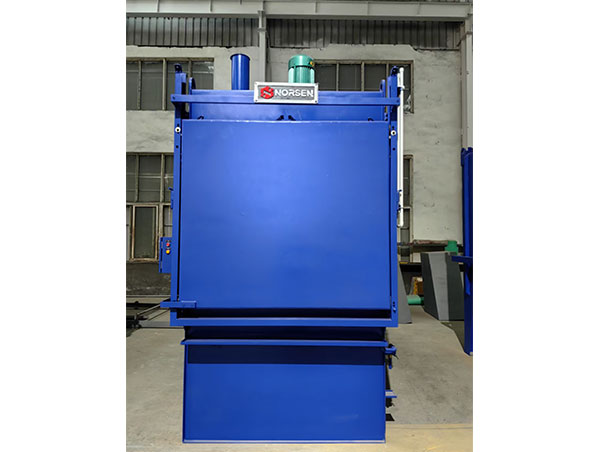
**Key Considerations for a Heat treatment Multi-purpose furnace**
Heat treatment is a critical process in manufacturing and materials engineering, used to alter the physical and mechanical properties of metals and alloys. A multi-purpose furnace designed for heat treatment must be versatile, precise, and reliable to meet the diverse needs of industries such as aerospace, automotive, tooling, and more. Selecting or operating a heat treatment multi-purpose furnace requires careful consideration of several key factors to ensure optimal performance, efficiency, and safety. Below are the primary considerations:
---
1. **Temperature Range and Uniformity**
The temperature range of the furnace is one of the most critical factors. It must accommodate the specific heat treatment processes required, such as annealing, tempering, hardening, or stress relieving. For example, some processes may require temperatures as low as 200°C, while others, like solution annealing, may require temperatures exceeding 1200°C.
Temperature uniformity within the furnace is equally important. Variations in temperature can lead to inconsistent material properties, resulting in defective parts. A high-quality furnace should maintain uniform temperature distribution across the entire working zone, typically within ±5°C or better.
---
2. **Heating Method**
The heating method directly impacts the furnace’s efficiency and performance. Common heating methods include:
- **Electric Resistance Heating:** Ideal for precise temperature control and clean environments.
- **Gas Heating:** Suitable for high-temperature applications and often more cost-effective for large-scale operations.
- **Induction Heating:** Used for localized heating and rapid processing.
The choice of heating method depends on the application, energy efficiency goals, and operating costs.
---
3. **Atmosphere Control**
Many heat treatment processes require a controlled atmosphere to prevent oxidation, decarburization, or other surface defects. Common atmospheres include:
- **Inert Gases (e.g., nitrogen, argon):** Used to prevent oxidation in processes like annealing.
- **Endothermic or Exothermic Gases:** Used for Carburizing or neutral hardening.
- **Vacuum:** Ideal for processes requiring a clean, oxidation-free environment, such as brazing or sintering.
The furnace must be equipped with appropriate seals, gas flow systems, and monitoring devices to maintain the desired atmosphere.
---
4. **Load Capacity and Chamber Size**
The furnace’s chamber size and load capacity must align with the size and volume of the parts being treated. Overloading the furnace can lead to uneven heating and longer cycle times, while underutilizing it can reduce efficiency. Consideration should also be given to the shape and arrangement of parts to ensure proper heat transfer and atmosphere circulation.
---
5. **Cooling Rate Control**
Controlling the cooling rate is essential for achieving desired material properties. Some furnaces are equipped with integrated cooling systems, such as forced air, oil Quenching, or water quenching, to achieve rapid cooling for processes like hardening. For slower cooling processes like annealing, the furnace should allow for controlled cooling rates.
---
6. **Energy Efficiency**
Heat treatment furnaces can be energy-intensive, so energy efficiency is a key consideration. Factors that contribute to efficiency include:
- Insulation quality to minimize heat loss.
- Advanced Heating elements or burners.
- Energy recovery systems, such as heat exchangers.
- Optimized cycle times to reduce energy consumption.
Investing in an energy-efficient furnace can significantly reduce operating costs over time.
---
7. **Automation and Control Systems**
Modern heat treatment furnaces often feature advanced automation and control systems for precise process management. Key features to look for include:
- Programmable controllers for setting and monitoring temperature profiles.
- Data logging and reporting capabilities for quality assurance.
- Integration with Industry 4.0 technologies for remote monitoring and predictive maintenance.
Automation not only improves consistency but also reduces the risk of human error.
---
8. **Safety Features**
Safety is paramount when operating high-temperature equipment. Essential safety features include:
- Over-temperature protection to prevent overheating.
- Emergency shut-off systems.
- Gas leak detection and ventilation systems for atmosphere-controlled furnaces.
- Insulated exteriors to prevent burns or heat-related injuries.
Regular maintenance and safety training for operators are also critical.
---
9. **Maintenance and Durability**
A heat treatment furnace is a significant investment, so durability and ease of maintenance are important considerations. Look for furnaces made from high-quality materials, such as refractory linings and corrosion-resistant components, to ensure longevity. Additionally, the design should allow for easy access to heating elements, Thermocouples, and other components for routine maintenance.
---
10. **Cost and Return on Investment (ROI)**
The initial cost of a multi-purpose furnace can be high, but it’s essential to consider the total cost of ownership, including energy consumption, maintenance, and operational efficiency. A furnace that meets your specific needs and offers long-term reliability can provide a strong return on investment.
---
11. **Application-Specific Requirements**
Different industries and applications have unique requirements. For example:
- **Aerospace:** High precision and strict quality standards are critical.
- **Automotive:** High throughput and cost-efficiency are priorities.
- **Tooling:** Hardening and tempering processes require precise temperature control.
Ensure the furnace is designed to meet the specific demands of your industry.
---
12. **Environmental Impact**
As sustainability becomes increasingly important, consider the environmental impact of the furnace. Look for features such as low emissions, energy-efficient designs, and compliance with environmental regulations.
---
13. **Vendor Support and Training**
Finally, choose a reputable vendor that offers comprehensive support, including installation, training, and after-sales service. Proper training for operators is essential to ensure safe and efficient furnace operation.
---
Conclusion
A heat treatment multi-purpose furnace is a complex piece of equipment that plays a vital role in achieving desired material properties. By carefully considering factors such as temperature range, atmosphere control, cooling rate, energy efficiency, and safety, you can select a furnace that meets your specific needs and delivers consistent, high-quality results. Investing in the right furnace and maintaining it properly will ensure long-term reliability and cost-effectiveness, ultimately contributing to the success of your manufacturing operations.
This website uses cookies to ensure you get the best experience on our website.



 Whatsapp
 Phone
 E-mail
Comment
(0)