 Pусский
 Deutsch
 العربية
 Tiếng Việt

What can we help you find today?

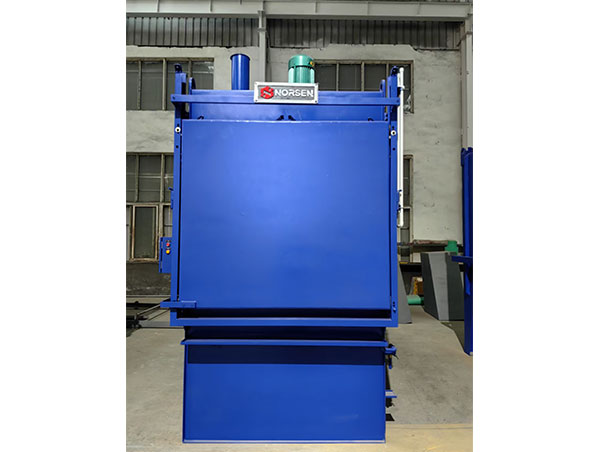
**How Does a Carburizing Multi-purpose furnace Handle High Temperatures?**
A Carburizing multi-purpose furnace is a specialized piece of equipment used in Heat treatment processes, particularly for surface hardening of metal components. It is designed to operate at extremely high temperatures, often exceeding 900°C (1652°F), to facilitate the diffusion of carbon into the surface of steel or iron parts. The ability to handle such high temperatures efficiently and safely is a critical aspect of its design and operation. This article explores the mechanisms and features that enable a carburizing multi-purpose furnace to manage high temperatures effectively.
1. **Insulation and Refractory Materials**
One of the primary ways a carburizing furnace handles high temperatures is through the use of advanced insulation and refractory materials. These materials are specifically chosen for their ability to withstand extreme heat without degrading or losing their structural integrity. Common materials include:
- **Ceramic fiber insulation:** Lightweight and highly resistant to thermal shock, ceramic fibers are used to line the furnace walls, reducing heat loss and maintaining a consistent internal temperature.
- **Firebricks:** Made from refractory ceramic materials, firebricks are used to construct the inner lining of the furnace. They have high melting points and excellent thermal insulation properties.
- **High-temperature alloys:** Components such as Heating elements and support structures are often made from alloys like nickel-chromium or iron-chromium-aluminum, which can endure prolonged exposure to high temperatures.
2. **Heating Elements**
The heating elements in a carburizing furnace are crucial for generating and maintaining the high temperatures required for the process. These elements are typically made from materials that can withstand extreme heat and resist oxidation. Common types include:
- **Resistance heating elements:** Made from alloys like Kanthal (iron-chromium-aluminum) or Nichrome (nickel-chromium), these elements convert electrical energy into heat through resistance.
- **Silicon carbide (SiC) rods:** These are used in furnaces that require even higher temperatures, as SiC has excellent thermal conductivity and stability at extreme heat.
The heating elements are strategically placed within the furnace to ensure uniform temperature distribution, which is critical for consistent carburizing results.
3. **Temperature Control Systems**
Precise temperature control is essential for the carburizing process, as even slight deviations can affect the quality of the treated components. Multi-purpose furnaces are equipped with advanced temperature control systems that include:
- **Thermocouples:** These sensors measure the internal temperature of the furnace and provide real-time feedback to the control system.
- **Programmable logic controllers (PLCs):** PLCs allow for precise regulation of the heating elements, ensuring that the furnace maintains the desired temperature throughout the process.
- **Safety mechanisms:** Over-temperature protection systems are installed to shut down the furnace automatically if the temperature exceeds safe limits, preventing damage to the equipment and ensuring operator safety.
4. **Atmosphere Control**
Carburizing involves introducing a carbon-rich atmosphere into the furnace to facilitate the diffusion of carbon into the metal surface. The furnace must maintain a controlled atmosphere to ensure consistent results and prevent oxidation or contamination. Key features include:
- **Sealed chamber:** The furnace is designed to be airtight, preventing the ingress of oxygen or other contaminants.
- **Gas injection systems:** Controlled amounts of carbon-rich gases, such as methane or propane, are introduced into the furnace to create the desired atmosphere.
- **Exhaust systems:** These systems remove by-products of the carburizing process, such as carbon dioxide and water vapor, to maintain the purity of the atmosphere.
5. **Cooling Systems**
After the carburizing process, the furnace must cool down safely and efficiently. Rapid cooling can cause thermal stress, leading to damage or warping of the treated components. Multi-purpose furnaces are equipped with cooling systems that include:
- **Forced air cooling:** Fans circulate air within the furnace to gradually reduce the temperature.
- **Water or oil Quenching systems:** In some cases, components are transferred to a separate quenching chamber for rapid cooling, which is essential for achieving the desired hardness and microstructure.
6. **Thermal Expansion Management**
High temperatures cause materials to expand, which can lead to structural issues if not properly managed. Carburizing furnaces are designed to accommodate thermal expansion through:
- **Flexible joints and seals:** These allow the furnace structure to expand and contract without compromising its integrity.
- **Support structures:** The furnace is built with materials and designs that can withstand thermal stresses, ensuring long-term durability.
7. **Energy Efficiency**
Operating at high temperatures requires significant energy input, so modern carburizing furnaces are designed with energy efficiency in mind. Features include:
- **Insulation optimization:** Minimizing heat loss through advanced insulation materials reduces energy consumption.
- **Recuperative systems:** These systems capture waste heat from the exhaust gases and reuse it to preheat incoming gases, improving overall efficiency.
- **Variable power control:** Adjusting the power input based on the furnace's thermal requirements ensures that energy is used efficiently.
8. **Safety Features**
Handling high temperatures inherently involves risks, so carburizing furnaces are equipped with multiple safety features to protect both the equipment and operators. These include:
- **Over-temperature alarms:** These alert operators if the furnace exceeds safe temperature limits.
- **Pressure relief valves:** These prevent dangerous pressure build-up within the furnace chamber.
- **Emergency shutdown systems:** In the event of a malfunction, these systems quickly shut down the furnace to prevent accidents.
Conclusion
A carburizing multi-purpose furnace is a highly specialized piece of equipment designed to handle extreme temperatures with precision and reliability. Through the use of advanced materials, sophisticated control systems, and robust safety features, these furnaces ensure that the carburizing process is carried out efficiently and safely. Their ability to manage high temperatures is a testament to the engineering expertise and technological advancements that underpin modern heat treatment processes. Whether used in automotive, aerospace, or industrial manufacturing, these furnaces play a critical role in enhancing the performance and durability of metal components.
This website uses cookies to ensure you get the best experience on our website.



 Whatsapp
 Phone
 E-mail
Comment
(0)